B2B Procurement Guide
Bubble CPAP vs Mechanical Ventilation in Resource-Limited NICUs
What clinical guidelines and peer-reviewed studies say about bubble CPAP as first-line neonatal support, when to escalate, and the equipment checklist for a low-resource NICU.
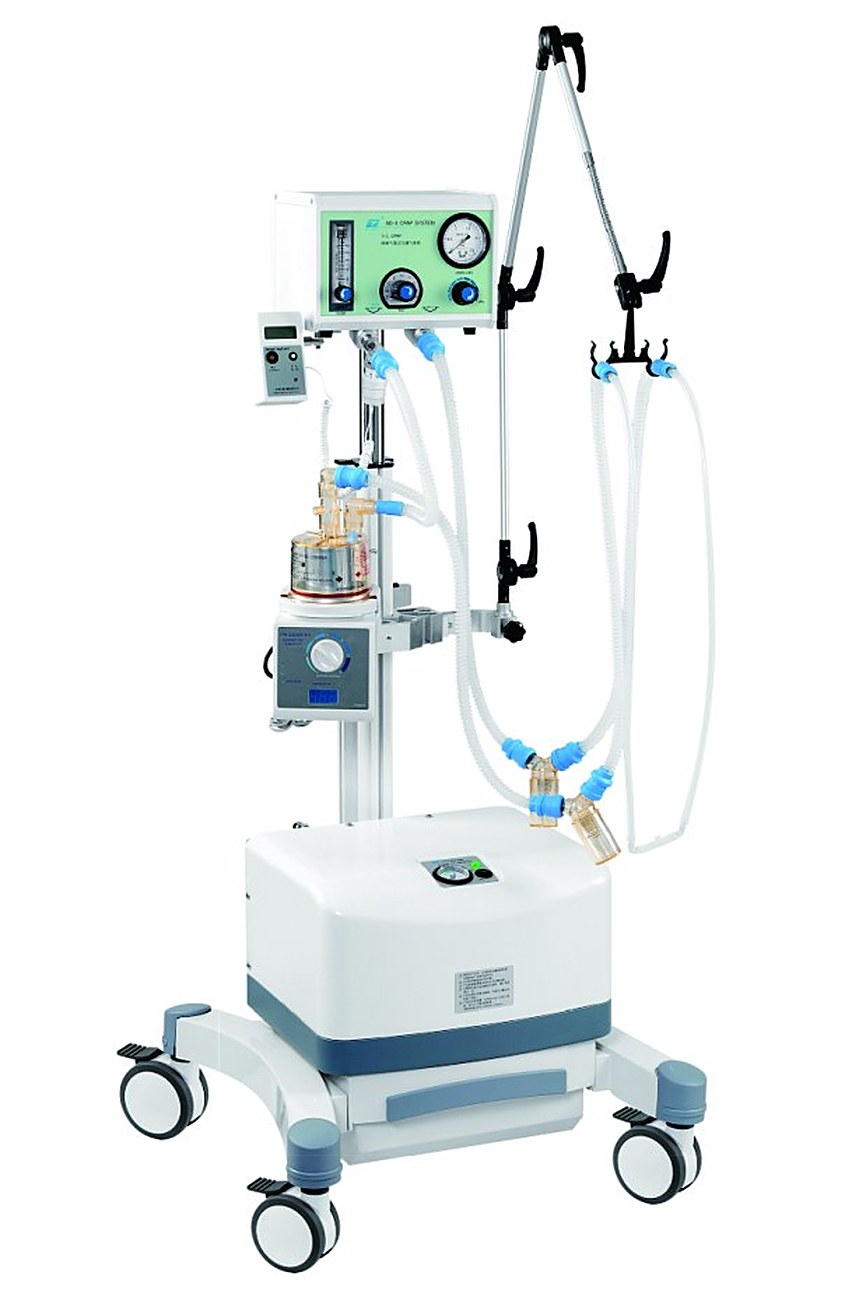
When a newborn in your unit starts struggling to breathe, the first question most NICU teams ask is not which ventilator to buy - it is whether well-run bubble CPAP can avoid intubation altogether. In resource-limited settings this question is also financial: a CPAP programme costs a fraction of a mechanical ventilation programme to set up and run. This guide summarises what clinical guidelines and peer-reviewed studies say, the signals that call for escalation, and the equipment checklist for a unit starting or upgrading a bubble CPAP service.
What clinical guidelines say about first-line CPAP
World Health Organization newborn care recommendations list CPAP as first-line respiratory support for preterm babies with respiratory distress syndrome. The reasoning is practical as well as clinical: non-invasive support keeps the airway intact, avoids the infections and airway injury associated with intubation, and does not require the 24-hour intensivist coverage that mechanical ventilation demands. For district and regional hospitals, that difference decides whether respiratory care is possible at all.
What published studies from low-resource NICUs report
The peer-reviewed literature on bubble CPAP in constrained settings has grown quickly. A 2025 cohort study published on PMC followed 150 neonates treated with bubble CPAP at a low-resource neonatal unit and reported that 89.3% survived to discharge. An earlier 2023 study in Frontiers in Public Health documented significant improvement in neonatal respiratory outcomes after bubble CPAP was introduced at a neonatal unit in the Philippines. Published field experience from Uganda and other programmes points the same direction: structured bubble CPAP, delivered with a blender and heated humidification, produces strong outcomes far from tertiary centres.
In one peer-reviewed cohort of 150 neonates treated with bubble CPAP at a low-resource unit, 89.3% survived to discharge.
When CPAP alone is not enough
Clinical recognition comes first: increasing respiratory rate, chest-wall retractions (the 'three depressions sign') or expiratory grunting are the classic reasons to start CPAP. Bubble CPAP is first-line support, not the ceiling of care. A unit should have written escalation criteria and watch for the qualitative signals that CPAP is no longer sufficient: a persistently rising oxygen requirement, recurrent apnoea that does not respond to stimulation, worsening blood gases, or increasing work of breathing. Escalating such a baby to mechanical ventilation does not mean CPAP failed - it means the team used CPAP exactly as intended, buying time and avoiding intubation in the many babies who never need it.
The equipment a resource-limited NICU needs to run CPAP properly
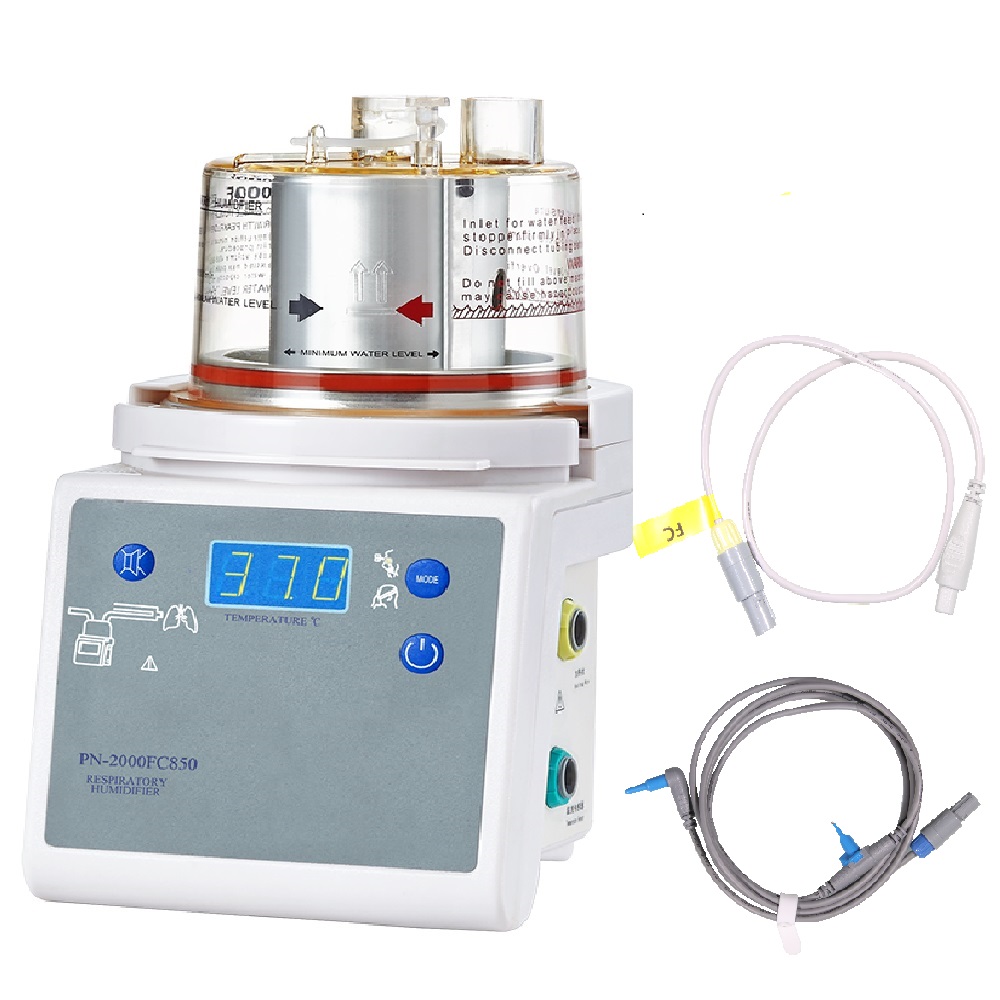
Five components make a bubble CPAP programme work. First, a blended gas supply: uncontrolled high-concentration oxygen is a documented driver of retinopathy of prematurity (ROP) and chronic lung disease (CLD), so a blender with 21%-100% FiO2 control is not optional equipment - it is what makes CPAP safe for preterm babies. Second, heated humidification, because dry gas through nasal prongs damages airway tissue. Third, circuits and nasal prongs as planned consumables. Fourth, pressure monitoring with a manometer so the underwater seal is set and verified. Fifth, staff training and written protocols. A documented set - CPAP device, air-oxygen blender, humidifier, air compressor and oxygen analyzer specified to work together - removes most integration surprises.
The economics distributors ask about first
A bubble CPAP programme competes with a mechanical ventilation programme on three cost lines at once: capital, consumables and staffing. CPAP devices and their chambers are reusable; circuits and prongs are the only planned disposables; and general NICU staff can be protocol-trained, which is why ministries of health and hospital groups so often start with CPAP. Pigeon Medical prices its range at about 35% of comparable leading-brand systems, accepts 1-set trial orders, and holds stock for about 3-day dispatch - with full documented specifications for tender files.
Frequently asked questions
Can bubble CPAP replace mechanical ventilation?
For the majority of babies with respiratory distress who breathe spontaneously, yes - guidelines position CPAP as first-line and most babies never need intubation. A smaller group with severe disease will still need escalation, which is why a CPAP programme should always be paired with written escalation criteria and a referral pathway.
What FiO2 range should a blender deliver?
21%-100% with tight accuracy - plus or minus 3 percent is the specification to insist on. Delivering uncontrolled near-100% oxygen to preterm babies is the documented risk; the blender is the component that controls it.
Can you support a government tender with documentation?
Yes. Pigeon Medical equipment has been delivered through government and hospital tenders across Africa, the UAE and Central America - more than 3,000 CPAP sets and 500+ air compressors to date. Every order ships with the documentation pack: Free Sales Certificate, registration certificates, ISO 13485 certificate and letter of authorization.
Next step
If you are equipping a NICU or building a respiratory distribution portfolio, the team at Pigeon Medical can share full specification sheets, tender documentation and configuration options - reach us through the contact form on this site or via the email and phone listed on the Contact Us page.